
Liability
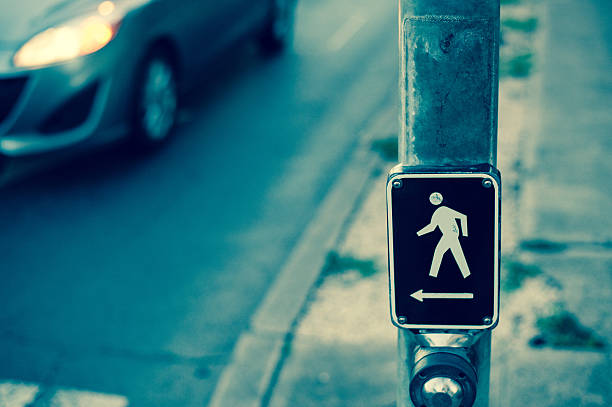
Crosswalk location, lighting, speed, signals, lane position, and driver lookout can all become major issues in a pedestrian file.
Social

Houston Pedestrian Accident Lawyer
When someone is struck while walking, the injuries are often severe and the facts can become contested quickly. This office helps injured pedestrians move forward with direct communication, careful claim preparation, and a practical legal strategy grounded in evidence.
Houston Pedestrian Accident Claim Guide
Pedestrian claims often turn on visibility, right-of-way facts, and medical damages. The strength of the file usually depends on how clearly the roadway facts, injury proof, and daily-life impact are documented before the insurer narrows the story down to a single blame argument.
Crosswalk location, lighting, speed, signals, lane position, and driver lookout can all become major issues in a pedestrian file.
Pedestrian injuries often involve fractures, head trauma, soft-tissue damage, and long recovery periods that need consistent medical documentation.
Lost work, transportation disruption, pain, future treatment, and routine limitations all need to be developed into a claim the insurer cannot easily dismiss.
Houston Pedestrian Accident Lawyer Services
Pedestrian collision files often require careful liability framing and strong medical proof from the start. These are the major categories of representation this office handles and how each file is prepared when roadway facts and injury consequences begin shaping the claim.
Houston Pedestrian Accident Claim Process
Once the basic facts are known, most pedestrian files still move through the same five-stage sequence: case review, collision investigation, medical and damages development, insurer pressure, and litigation preparation if the claim still is not valued fairly.
The process starts with a no-cost review of how the impact happened, what injuries followed, and what the claim may require.
Early work focuses on reports, scene proof, lighting, road position, witness accounts, and anything else that clarifies the visibility picture.
As treatment continues, the file is built through provider records, lost income, disruption to routine, and any expected future care.
Once the proof is organized, the claim can be presented with clearer liability framing and structured settlement pressure.
If the insurer still refuses to value the case fairly, the next step is preparing the file for discovery, expert work, and courtroom presentation.
What To Do After A Houston Pedestrian Accident
The earliest decisions can affect the strength of the claim quickly in a pedestrian case. Even when the crash seems obvious, the insurer often starts analyzing whether it can shift part of the blame onto the person who was struck.
Pedestrian claims often become more complicated once visibility arguments, signal disputes, or low offers start surfacing. A well-organized file helps protect the claim before those issues become more expensive to fix. That means preserving the scene facts, following through with treatment, and documenting how the injuries have affected work, movement, and daily life.
Pedestrian Claim Handling Patterns
The best accessible claimant-outcome research still shows the same broad pattern across injury claims: represented files are more likely to receive some payment while self-directed files carry a heavier no-payment tail. In pedestrian cases, that difference matters because liability and damages both need clear framing early.
Representation Comparison
In the accessible claimant-outcome survey evidence, represented claimants were far more likely to receive some payment at all. That broad pattern still matters in pedestrian accidents files, where organized proof and steady communication often shape leverage early.
Representation Comparison
The public survey evidence shows a much larger no-payment tail when the claimant handles the file alone. In pedestrian accidents matters, that gap can become more expensive when proof, follow-up, or insurer pressure are not being managed in step.
Delay And Follow-Through Proxy
Injury claims still become harder to value when records, treatment updates, and insurer communication drift out of step. The broader no-payment tail in self-represented claims remains a useful proxy for what can happen when the file is not documented and updated consistently.
Representation Floor
The same public claimant-outcome research suggests a much smaller no-payment tail when the claim is represented and kept organized. In pedestrian accidents matters, that is a useful reminder that clear proof and steady follow-through can protect leverage.
Source note: the payout comparisons in this section are presented as broad claimant-outcome research proxies used to illustrate how representation, documentation, and follow-through can affect injury claims. They are not a page-specific public dataset for pedestrian accidents.
Houston Pedestrian Accident Lawyer FAQ
Most people are not dealing with only one issue after being hit while walking. They are often managing severe treatment needs, transportation changes, missed work, and pressure to explain roadway facts before they have had time to recover.
Maybe. Many pedestrian cases involve conflicting versions of timing, signals, and visibility, which is why scene proof and careful fact development matter.
That does not automatically end the claim. The answer depends on the full facts, including location, speed, visibility, and what the driver should have seen.
That is common after a pedestrian impact. Continued evaluation and consistent treatment records help show the real course of recovery.
Clear communication, organized scene proof, and a liability strategy that keeps the file tied to evidence instead of assumption.
Browse other Houston personal injury matters this office handles alongside pedestrian accidents claims.
Practice Area
Passenger-vehicle injury claims involving liability disputes, treatment proof, and insurer pressure after a serious crash.
Practice Area
Commercial truck crash claims involving serious injuries, company records, and early insurance pressure.
Practice Area
Collision cases involving tractor-trailers, safety records, and high-stakes injury damages.
Practice Area
Injury claims built to challenge rider-bias assumptions and document the full recovery impact.
Practice Area
Family-centered injury representation focused on careful records, communication, and long-term consequences.
Practice Area
Dog bite and animal attack claims involving scarring, trauma, insurance coverage, and long-term care issues.
Practice Area
Severe injury cases involving brain trauma, spinal injuries, and life-changing future-care issues.
Practice Area
Unsafe-property claims involving dangerous conditions, documentation issues, and accountability for preventable injuries.
Practice Area
Uber, Lyft, taxi, and app-driver cases where coverage questions and claim strategy matter early.
Practice Area
Compassionate representation for families facing fatal accidents and the legal issues that follow.
Houston Pedestrian Accident Free Consultation
Pedestrian injury claims often need careful fact development and strong medical proof from the start. This office is here to help you respond with clear answers and direct support.
I’m typically available. If I can’t reach your call right away, leave a voicemail and I’ll get back to you as soon as possible.